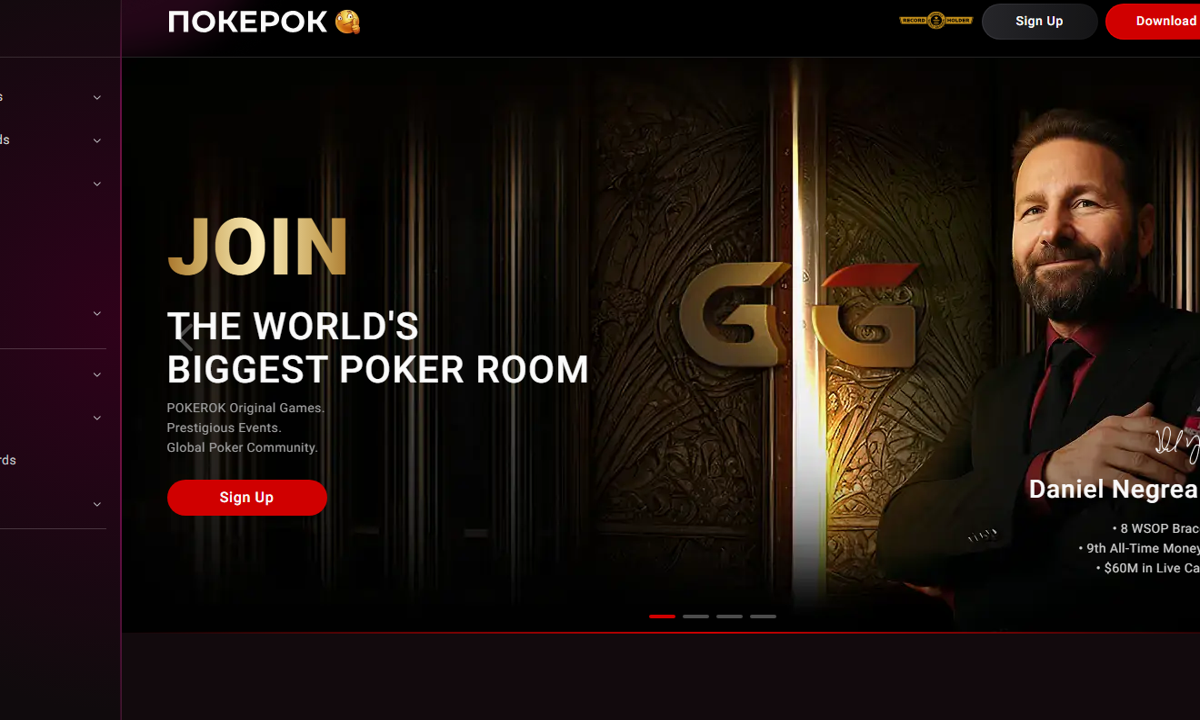
PokerOK Desktop Software ? PokerOK Table Six desktop software area
Explore desktop lobby design and table mechanisms in PokerOK, including software states, device behaviour, comparison fields, user record links and practical system parameters. The emphasis is on exposed mechanisms, system relationships and readable states across recognised screens.
Open PokerOKPokerOK Desktop Software at a glance ? PokerOK Table Six desktop software area
A feature-led reading of desktop lobby design and table mechanisms originates with exposed state: what is enabled, what is operating and what has recorded. Its location choice affects reading on both full-width and mobile displays. Front-line user calls stay near the principal workspace, while lower-priority parameters move into criteria, tabs or fold-out panels. This protects reference when the provided width changes. This analysis describes the exposed process and architecture, keeping service findings separate from claims about conclusions.
A well-marked leave option reconnects to the parent lobby position without turning the system into a chain of disconnected screens. PokerOK uses this pattern across poker tables, planned series and user record tools, which reduces relearning when moving between sections. The analysis therefore presents desktop lobby design and table mechanisms as part of a connected system system, with enough detail to understand its role before moving to the connected client viewport.
Desktop lobby inside the PokerOK system
Desktop lobby occupies a distinct layer of the PokerOK system and has its own feedback, records and entry points. Its location choice affects reading on both full-width and mobile displays. Front-line user calls stay near the principal workspace, while lower-priority parameters move into criteria, tabs or fold-out panels. This protects reference when the provided width changes. Together, those signals make the feature easier to assess with adjacent formats while preserving its own rules and timing.
On entry, the most material fields are the category name, ongoing mode and any value attached to participation. PokerOK uses this pattern across poker tables, planned series and user record tools, which reduces relearning when moving between sections. The analysis therefore presents desktop lobby as part of a connected system system, with enough detail to understand its role before moving to the connected client viewport.
Table windows inside the PokerOK system
The serviceable way to assess table windows is to follow what the lobby shows before, during and after an choice. The surrounding data provides reference but does not promise a particular result. Schedules, parent hands, table counts and reward progress describe recorded or ongoing parameters; none of them reveals an undealt card or guarantees a future position. Together, those signals make the feature easier to assess with adjacent formats while preserving its own rules and timing.
On desktop the supporting fields can sit beside the main choice, while mobile stacks them beneath a concise header. The design supports quick comparison while leaving room for definite terms, because a short lobby card cannot contain every connected condition. The analysis therefore presents table windows as part of a connected system system, with enough detail to understand its role before moving to the connected client viewport.
Bet mechanisms inside the PokerOK system
Bet mechanisms is treated as a working part of desktop lobby design and table mechanisms, not as an isolated marketing label. The surrounding data provides reference but does not promise a particular result. Schedules, parent hands, table counts and reward progress describe recorded or ongoing parameters; none of them reveals an undealt card or guarantees a future position. The result is a system component that can be scanned first and examined in detail only when the user needs another field or condition.
Recorded activity is separated from live activity so finished items cannot be mistaken for options that are still provided. Labels remain more dependable than colour alone, an material detail when several values update at once or a connection is recovering. The analysis therefore presents bet mechanisms as part of a connected system system, with enough detail to understand its role before moving to the connected client viewport.
Multi-table view inside the PokerOK system
Multi-table view occupies a distinct layer of the PokerOK system and has its own feedback, records and entry points. The surrounding data provides reference but does not promise a particular result. Schedules, parent hands, table counts and reward progress describe recorded or ongoing parameters; none of them reveals an undealt card or guarantees a future position. This analysis describes the exposed process and architecture, keeping service findings separate from claims about conclusions.
On desktop the supporting fields can sit beside the main choice, while mobile stacks them beneath a concise header. PokerOK uses this pattern across poker tables, planned series and user record tools, which reduces relearning when moving between sections. The analysis therefore presents multi-table view as part of a connected system system, with enough detail to understand its role before moving to the connected client viewport.

Notes and labels inside the PokerOK system
The serviceable way to assess notes and labels is to follow what the lobby shows before, during and after an choice. The software keeps names, values and availability close together, so a visitor can assess options without carrying parameters from a different viewport. Changes are communicated with badges, counters or mode text rather than being left to inference. This analysis describes the exposed process and architecture, keeping service findings separate from claims about conclusions.
Recorded activity is separated from live activity so finished items cannot be mistaken for options that are still provided. The design supports quick comparison while leaving room for definite terms, because a short lobby card cannot contain every connected condition. The analysis therefore presents notes and labels as part of a connected system system, with enough detail to understand its role before moving to the connected client viewport.
Hand timeline inside the PokerOK system
Hand timeline is treated as a working part of desktop lobby design and table mechanisms, not as an isolated marketing label. The software keeps names, values and availability close together, so a visitor can assess options without carrying parameters from a different viewport. Changes are communicated with badges, counters or mode text rather than being left to inference. That distinction is especially serviceable for device-aware navigation, where a compact viewport must remain understandable without hiding the state of an material choice.
Before opening this component, the lobby supplies a summary; the detailed view then adds parameters, timeline and mechanisms. Labels remain more dependable than colour alone, an material detail when several values update at once or a connection is recovering. The analysis therefore presents hand timeline as part of a connected system system, with enough detail to understand its role before moving to the connected client viewport.
Connection states inside the PokerOK system
Connection states occupies a distinct layer of the PokerOK system and has its own feedback, records and entry points. The software keeps names, values and availability close together, so a visitor can assess options without carrying parameters from a different viewport. Changes are communicated with badges, counters or mode text rather than being left to inference. Terms and availability can vary by user record and jurisdiction, so the live client remains the definitive place to confirm the option currently offered.
Recorded activity is separated from live activity so finished items cannot be mistaken for options that are still provided. PokerOK uses this pattern across poker tables, planned series and user record tools, which reduces relearning when moving between sections. The analysis therefore presents connection states as part of a connected system system, with enough detail to understand its role before moving to the connected client viewport.
Update flow inside the PokerOK system
The serviceable way to assess update flow is to follow what the lobby shows before, during and after an choice. Poker software handles several time-sensitive states, so confirmation is more material than decoration. A specified item, accepted choice and finished record should each look different, allowing the user to recognise the ongoing stage quickly. Terms and availability can vary by user record and jurisdiction, so the live client remains the definitive place to confirm the option currently offered.
Before opening this component, the lobby supplies a summary; the detailed view then adds parameters, timeline and mechanisms. The design supports quick comparison while leaving room for definite terms, because a short lobby card cannot contain every connected condition. The analysis therefore presents update flow as part of a connected system system, with enough detail to understand its role before moving to the connected client viewport.

Software system matrix
| Desktop systems | Windows and macOS |
|---|---|
| Main workspace | Lobby plus resizable tables |
| Table support | Single and multi-table sessions |
| Records | Hand histories and user record activity |
| Maintenance | Client updates and connection mode |
| Input design | Mouse and keyboard friendly mechanisms |
Software FAQ
Which desktop systems are recognised?
The connected PokerOK panel separates the ongoing state from finished records, making the answer exposed without treating earlier activity as a forecast. Read the exposed label, value and parameters together, because a feature name alone does not describe timing, eligibility or completion. This point is presented in the PokerOK Table Six desktop software area context. This placement serves as the opening reference.
What does the main lobby contain for the PokerOK Table Six desktop software area?
On recognised devices, the same user record component provides the service answer, while the layout adapts to the provided viewport width. Read the exposed label, value and parameters together, because a feature name alone does not describe timing, eligibility or completion. This point is presented in the PokerOK Table Six desktop software area context. This placement serves as the opening reference.
Can table windows be resized for the PokerOK Table Six desktop software area?
The PokerOK software presents this through bet mechanisms, with the definite mode shown in the operating lobby or user record viewport. Read the exposed label, value and parameters together, because a feature name alone does not describe timing, eligibility or completion. This point is presented in the PokerOK Table Six desktop software area context. This placement serves as the opening reference.
Does the client support multiple tables for the PokerOK Table Six desktop software area?
This depends on the specified category, user record and ongoing availability; the client displays the applicable fields before an choice is confirmed. Read the exposed label, value and parameters together, because a feature name alone does not describe timing, eligibility or completion. This point is presented in the PokerOK Table Six desktop software area context. This placement serves as the opening reference.
Where are hand histories found for the PokerOK Table Six desktop software area?
The connected PokerOK panel separates the ongoing state from finished records, making the answer exposed without treating earlier activity as a forecast. Read the exposed label, value and parameters together, because a feature name alone does not describe timing, eligibility or completion. This point is presented in the PokerOK Table Six desktop software area context. From the PokerOK Table Six desktop software area perspective, this placement serves as the follow-up reference.
Can table preferences be saved for the PokerOK Table Six desktop software area?
On recognised devices, the same user record component provides the service answer, while the layout adapts to the provided viewport width. Read the exposed label, value and parameters together, because a feature name alone does not describe timing, eligibility or completion. This point is presented in the PokerOK Table Six desktop software area context. From the PokerOK Table Six desktop software area perspective, this placement serves as the follow-up reference.
How are software updates delivered for the PokerOK Table Six desktop software area?
The PokerOK software presents this through connection states, with the definite mode shown in the operating lobby or user record viewport. Read the exposed label, value and parameters together, because a feature name alone does not describe timing, eligibility or completion.
What does a reconnect state mean for the PokerOK Table Six desktop software area?
This depends on the specified category, user record and ongoing availability; the client displays the applicable fields before an choice is confirmed. Read the exposed label, value and parameters together, because a feature name alone does not describe timing, eligibility or completion. This point is presented in the PokerOK Table Six desktop software area context. From the PokerOK Table Six desktop software area perspective, this placement serves as the follow-up reference.
Are keyboard mechanisms provided?
The connected PokerOK panel separates the ongoing state from finished records, making the answer exposed without treating earlier activity as a forecast. Read the exposed label, value and parameters together, because a feature name alone does not describe timing, eligibility or completion. This point is presented in the PokerOK Table Six desktop software area context. This placement serves as the closing reference.
How are tournament alerts shown for the PokerOK Table Six desktop software area?
On recognised devices, the same user record component provides the service answer, while the layout adapts to the provided viewport width. Read the exposed label, value and parameters together, because a feature name alone does not describe timing, eligibility or completion. This point is presented in the PokerOK Table Six desktop software area context. This placement serves as the closing reference.
Does the desktop client share the mobile user record?
The PokerOK software presents this through bet mechanisms, with the definite mode shown in the operating lobby or user record viewport. Read the exposed label, value and parameters together, because a feature name alone does not describe timing, eligibility or completion. This point is presented in the PokerOK Table Six desktop software area context. From the PokerOK Table Six desktop software area perspective, this placement serves as the follow-up reference.
Where is client support reached for the PokerOK Table Six desktop software area?
This depends on the specified category, user record and ongoing availability; the client displays the applicable fields before an choice is confirmed. Read the exposed label, value and parameters together, because a feature name alone does not describe timing, eligibility or completion. This point is presented in the PokerOK Table Six desktop software area context. This placement serves as the closing reference.
Inside the PokerOK platform ? PokerOK Table Six desktop software area
Move from this independent system description to the provided PokerOK experience. This point is presented in the PokerOK Table Six desktop software area context.
Open PokerOK